


Ever had one of those days where your body feels like it’s been through a wrestling match with life itself? You know the feeling: tight shoulders, stiff neck, and a back that’s basically staging a protest. I remember the first time I walked into a massage Ajman, desperately seeking relief. The therapist asked if I’d ever tried Thai massage. “What’s that?” I wondered. Little did I know, I was about to discover something that would change my entire relationship with bodywork.
Thai massage isn’t your typical spa treatment where you lie there passively while someone kneads your muscles. Oh no. This ancient practice, sometimes called “lazy person’s yoga,” is more like a dance between you and your therapist. It’s a full-body experience that combines acupressure, yoga-like stretches, and rhythmic compression. And trust me, once you try it, you’ll understand why it’s been practiced for over 2,500 years.
What Is Thai Massage? Understanding This Ancient Healing Practice
Let’s get one thing straight: Thai massage is nothing like the Swedish massage you might be familiar with. While Swedish massage focuses on relaxing muscles with oil and gliding strokes, Thai massage, or Nuad Thai as it’s traditionally called, is more dynamic, more interactive, and frankly, more interesting.
Picture this: You’re fully clothed in comfortable attire, lying on a padded mat on the floor. Your therapist uses their hands, elbows, knees, and even feet to apply pressure to specific points along your body’s energy lines (called sen lines). Then comes the magic, they gently guide you through various yoga-like stretches that you couldn’t possibly achieve on your own. It’s like having a personal trainer and massage therapist rolled into one.
The philosophy behind traditional Thai massage in Ajman is rooted in the belief that energy flows through our bodies along invisible pathways. When these pathways get blocked due to stress, poor posture, or just life in general, we experience pain and discomfort. Thai massage works to unblock these pathways, restoring balance and promoting healing from within.
How Is Thai Massage Different from Swedish Massage?
I get this question all the time, and honestly, it’s like comparing apples to oranges. Both are fantastic, but they serve different purposes and offer completely different experiences.
Swedish massage is the go-to for pure relaxation. You undress, lie on a massage table, get covered with a sheet, and drift off while the therapist uses oil to perform long, flowing strokes. It’s wonderful for melting away stress and easing muscle tension. If you’re looking for that dreamy, spa-like experience, a luxury spa offering Swedish massage is your best bet.
Thai massage, on the other hand, is more active and therapeutic. You stay clothed, typically in loose, comfortable clothes. The session happens on a floor mat rather than a table. And here’s the kicker there’s usually no oil involved (though some modern variations might use a bit). Instead of gliding strokes, you get compressions, stretches, and joint mobilization. It’s less about zoning out and more about engaging with your body.
At Spa Ajman locations like Chameli Massage Center, you’ll find practitioners who understand both modalities. They can help you choose which type of massage therapy suits your needs best. Some days you want the deep, therapeutic work of Thai massage. Other days, you just want to float away with a Swedish session. There’s no wrong choice only what feels right for your body at that moment.
What Are the Benefits of Thai Massage?
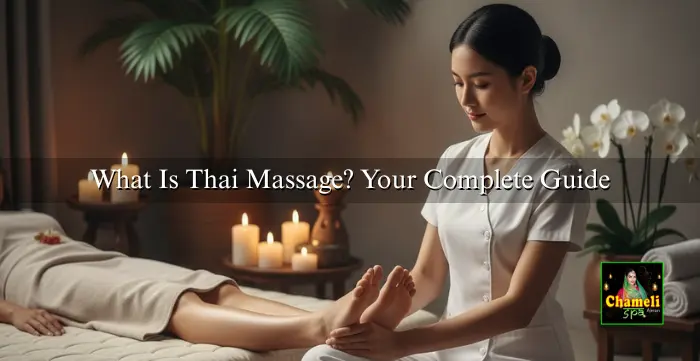
Let me tell you, the Thai massage benefits go way beyond just feeling good for an hour. This isn’t some trendy wellness fad that’ll disappear next year. We’re talking about a practice that’s stood the test of time because it actually works.
Physical Benefits That’ll Make You a Believer
- Improved Flexibility and Range of Motion – Remember when you could touch your toes without groaning? Thai massage for flexibility is legendary. The assisted stretching works wonders for tight hips, stiff shoulders, and basically any joint that’s decided to stage a rebellion. I’ve seen people walk out of sessions standing taller and moving more freely than they have in years.
- Pain Relief Without Pills – Whether it’s chronic back pain, tension headaches, or that nagging shoulder issue from hunching over your laptop, Thai massage addresses the root cause. The acupressure techniques release trigger points while the stretching lengthens shortened muscles. It’s like hitting the reset button on your musculoskeletal system.
- Better Circulation – The compressions and manipulations get your blood flowing to areas that might have been neglected. Better circulation means more oxygen and nutrients reaching your tissues, which translates to faster healing and more energy.
- Posture Correction – We all know we should sit up straight, but try telling that to muscles that have adapted to slouching. Thai massage helps realign your body by releasing the tight muscles that pull you out of alignment and strengthening the ones that should be supporting you.
Mental and Emotional Perks
Here’s something most people don’t realize: traditional Thai massage isn’t just about the physical body. It’s a holistic practice that addresses your mental and emotional wellbeing too.
- Stress Reduction – In our hyperconnected, always-on world, stress is basically the default setting. Thai massage activates your parasympathetic nervous system the “rest and digest” mode that counters stress. The rhythmic nature of the treatment is almost meditative, allowing your mind to finally quiet down.
- Better Sleep – Can’t remember the last time you slept through the night? Many people report sleeping like babies after a Thai massage session. The combination of physical release and mental relaxation creates the perfect conditions for quality rest.
- Enhanced Energy – Paradoxically, while Thai massage is incredibly relaxing, it also energizes you. By clearing energy blockages and improving circulation, you’ll often feel more alert and vibrant afterward. It’s not uncommon to hear people say they feel “lighter” or “clearer” after a session.
What Are Thai Massage Techniques?
Now, let’s dive into what actually happens during a session. Thai massage techniques are diverse and sophisticated, drawing from centuries of practice and refinement. But don’t worry, you don’t need to understand the intricacies to benefit from them.
Acupressure Points and Sen Lines
Think of acupressure massage as the foundation of Thai massage. Your therapist applies pressure to specific points along the body’s energy pathways. Unlike acupuncture (which uses needles), acupressure relies on the therapist’s thumbs, palms, elbows, knees, and feet to stimulate these points.
The ten main sen lines in Thai massage theory are similar to the meridians in Chinese medicine. By working along these lines, practitioners aim to release energy blockages and restore balance. You might feel a satisfying “hurts so good” sensation as tension releases, that’s your body saying “thank you.”
The “Thai Yoga Massage” Component
Ever wished you were more flexible but can’t be bothered with a yoga class? That’s where Thai yoga massage comes in. Your therapist guides your body through passive stretches that mimic yoga poses, except you don’t have to do any of the work.
You might find yourself in a gentle spinal twist, a hip opener, or even an assisted backbend. The therapist uses their body weight and leverage to take you deeper into stretches than you could achieve alone. It’s incredibly effective for releasing deep-seated tension and improving mobility. I always joke that it’s like getting a yoga class, chiropractic adjustment, and deep tissue massage all rolled into one.
Compression and Rhythmic Rocking
One of the signature moves in authentic Thai massage is the use of rhythmic compression. The therapist uses their palms or feet to press into your muscles in a rocking motion. This creates a wavelike effect that’s both deeply relaxing and therapeutic.
The rocking motion is almost hypnotic. It helps release fascial restrictions, improves lymphatic drainage, and just feels amazing. Combined with the stretching and acupressure, you get a comprehensive treatment that addresses multiple layers of tissue.
What Should I Wear for a Thai Massage?
Good question! Unlike oil-based massages, where you disrobe, Thai massage is done fully clothed. But before you show up in your jeans and button-down, let me explain what works best.
Think comfortable, loose, and flexible. Yoga pants or loose cotton pants are perfect. A comfortable t-shirt or loose top works great too. Some Massage Center in Ajman provide traditional Thai fisherman pants and a top, which is ideal. The key is wearing something that allows you to move freely and won’t restrict the stretches.
Avoid anything too tight, restrictive, or with lots of zippers and buttons. And please, skip the cologne or perfume. Your therapist will be in close contact with you throughout the session, and strong scents can be overwhelming in that intimate space.
At Chameli Spa Ajman, they typically provide clean, comfortable attire for your session, so you don’t even need to think about it. Just show up, change into the provided clothes, and let the experts take care of the rest.
Is Thai Massage Painful?
Ah, the million-dollar question. Let me be honest with you: Thai massage can be intense. But “intense” doesn’t necessarily mean “painful.”
There’s a sweet spot between discomfort and pain that skilled Thai massage practitioners navigate beautifully. You might experience what I call “therapeutic discomfort,” that sensation when tight muscles are being worked and stretched. It’s the kind of feeling where you might grimace slightly but also find yourself thinking, “Don’t stop, that’s exactly what I need.”
The beauty of Thai massage is that it’s completely customizable. If something feels too intense, you can absolutely speak up. Good therapists constantly check in with you, and they can adjust the pressure based on your feedback. Some people prefer deeper, more intense work. Others want a gentler approach. There’s no wrong answer; it’s your body and your comfort level.
Here’s a tip: breathe through the stretches. Holding your breath makes everything feel more intense and prevents your muscles from releasing. When you feel a deep stretch, take slow, deep breaths. Your body will relax into the movement, and you’ll get much more out of the session.
How Long Does a Thai Massage Session Last?
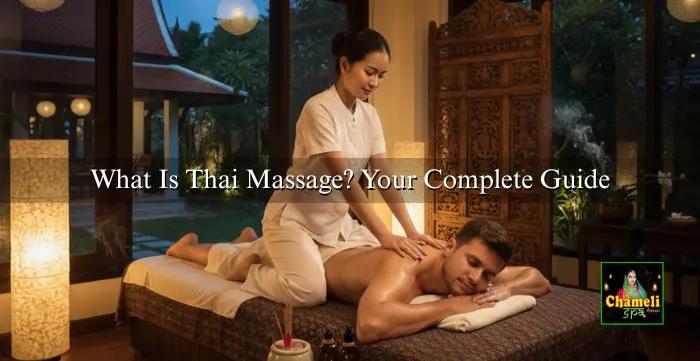
Traditional Thai massage sessions are typically longer than a standard body massage. While a Swedish massage might run 60 or 90 minutes, an authentic Thai massage often lasts 90 minutes to two hours. Some traditional sessions in Thailand can even go for three hours or more!
Why so long? Because Thai massage is comprehensive. The therapist works through your entire body systematically, addressing each area thoroughly. They’re not just kneading a few sore spots; they’re taking you through a complete sequence that includes stretching, compression, and acupressure from head to toe.
That said, many modern spas offer shorter sessions (60 minutes) that focus on specific areas like the back, shoulders, and neck. These can be great if you’re short on time or dealing with localized tension. At Massage Spa Ajman locations, you’ll usually find options ranging from 60 to 120 minutes, allowing you to choose based on your schedule and needs.
My recommendation? If it’s your first time, go for a 90-minute session. It gives you enough time to experience the full range of techniques without feeling rushed. Plus, it allows your body to really sink into the relaxation and release that makes Thai massage so special.
Do I Need to Book a Thai Massage in Advance?
Short answer: yes, especially if you’re looking for a Thai massage near me at a quality establishment. Here’s why.
Skilled Thai massage therapists are in high demand, particularly those trained in authentic Thai massage techniques. Unlike quick chair massages or walk-in services, Thai massage requires dedicated time and space. Sessions are longer, and good therapists often have full schedules.
Booking ahead also gives you the flexibility to choose your preferred time slot. Morning session to start your day energized? Evening appointment to unwind after work? Weekend session when you can really relax without work looming? Planning ahead ensures you get exactly what you want.
Some establishments, like Chameli Massage Center Ajman (a 24-hour Best spa in Ajman), offer walk-in services depending on availability. But even at a 24-hour spa, calling ahead is smart. It takes five minutes to book and saves you the potential disappointment of showing up to find no therapists available.
Can I Request More or Less Pressure During Thai Massage?
Absolutely! In fact, I encourage it. Your comfort and the effectiveness of the treatment depend on good communication between you and your therapist.
Professional Thai massage practitioners understand that everyone’s body is different. What feels perfect to one person might be too intense or too light for another. Factors like your pain tolerance, current stress levels, whether you exercise regularly, and your overall health all influence how much pressure feels right.
Don’t be shy about speaking up during your session. If a stretch feels too deep, say so. If you want more pressure on a particular area, ask for it. Good therapists appreciate feedback it helps them customize the treatment to your needs. This is your time and your body. You’re in charge.
At reputable massage centers in Ajman, therapists typically check in with you throughout the session, especially when working on sensitive areas or performing deeper stretches. They’ll ask if the pressure is okay and adjust accordingly. It’s this attentive, responsive approach that separates exceptional massage therapy from just okay services.
Is Thai Massage Suitable for Beginners?
If you’ve never tried Thai massage and you’re feeling a bit intimidated, let me put your mind at ease: Thai massage is absolutely suitable for beginners. In fact, it can be a game-changer for people who’ve never really enjoyed traditional massage.
Many first-timers worry about the stretching component. “What if I’m not flexible?” they ask. Here’s the thing: you don’t need to be flexible to benefit from Thai massage. Actually, if you’re inflexible, you probably need it more than anyone! The therapist works within your range of motion, never forcing you into positions that feel uncomfortable or unsafe.
When booking your first session, mention that you’re new to Thai massage. A good practitioner will take extra time to explain what they’re doing, check in more frequently, and make sure you feel comfortable throughout. They’ll start with gentler pressure and gradually increase it based on your feedback.
I always tell beginners to keep an open mind. Thai massage might feel different from what you’re expecting, but that doesn’t mean it’s wrong or not for you. Give yourself the full session to experience it. Most people who were skeptical beforehand become converts by the end.
What Oils Are Used in Thai Massage?
Here’s something that surprises a lot of people: traditional Nuad Thai doesn’t use oil at all. Unlike Swedish or deep tissue massage, where oil is essential for the gliding strokes, Thai massage relies on compression, stretching, and joint manipulation techniques that work better without oil.
That said, some modern spa variations blend Thai techniques with oil massage, often called “Thai oil massage” or “Thai aromatherapy massage.” These hybrid treatments typically start with traditional Thai stretching and acupressure, then transition to oil work for the final portion of the session.
When oil is used, you’ll often find therapeutic options like:
- Coconut oil – Traditional in Thailand, deeply moisturizing and naturally antimicrobial
- Herbal balms – Infused with Thai herbs like lemongrass, ginger, or turmeric for added therapeutic benefits
- Essential oils – Lavender for relaxation, eucalyptus for respiratory benefits, peppermint for cooling and invigorating effects
- Sesame oil – Warming and nourishing, often used in Ayurvedic-influenced treatments
If you’re specifically looking for traditional, oil-free Thai massage, make sure to specify when booking. If you’d prefer a version with oil, that’s usually available too. Many Indian spa in Ajman or Kerala spa Ajman locations offer both options, allowing you to choose based on your preference.
Can Pregnant Women Get a Thai Massage?
This is an important question, and the answer requires some nuance. Traditional Thai massage, with its deep stretches and abdominal work, is generally not recommended during pregnancy, especially in the first trimester.
However, many spas offer modified prenatal Thai massage that adapts the techniques for pregnant women. These specialized sessions avoid deep abdominal work, intense stretching, and certain acupressure points believed to stimulate contractions. Instead, they focus on relieving common pregnancy discomforts like back pain, swollen feet, and hip tension.
If you’re pregnant and interested in Thai massage:
- Always get clearance from your healthcare provider first
- Book with a therapist specifically trained in prenatal massage
- Inform the spa about your pregnancy when booking
- Avoid Thai massage in the first trimester when possible
- Communicate immediately if anything feels uncomfortable
Many women find that gentle, modified Thai massage during the second and third trimesters provides significant relief. But safety always comes first, so professional guidance is essential.
How Often Should I Get a Thai Massage?
The honest answer? It depends on your goals, lifestyle, and budget. But let me break down some general guidelines based on different scenarios.
For maintenance and general wellness, Most people benefit from a Thai massage once a month. This regular rhythm helps maintain flexibility, manage stress, and prevent the buildup of chronic tension. Think of it as preventive care for your body.
For chronic pain or specific issues – You might need more frequent sessions initially, perhaps weekly or bi-weekly. As your condition improves, you can space them out to every two to three weeks, then monthly for maintenance.
For athletes or active individuals – Incorporating Thai massage every two weeks can help maintain peak performance, improve recovery, and prevent injuries. The flexibility work is particularly valuable for athletes.
For high-stress jobs – If you’re dealing with significant workplace stress, weekly or bi-weekly sessions can provide crucial stress management and prevent burnout. Sometimes the mental health benefits alone justify frequent visits.
Here’s my advice: start with a session and see how your body responds. Notice how you feel immediately after, the next day, and over the following week. Most people feel amazing for three to seven days after a Thai massage. When those benefits start to wane, that’s your signal that it’s time for another session.
Also, consider your budget. While regular massage service is ideal, something is better than nothing. If you can only afford monthly sessions, that’s still providing significant benefits. Some people look for cheap massage in Ajman options or special packages that make regular treatments more affordable.
Where Can I Find an Authentic Thai Massage Near Me in Ajman?
Finding quality Thai massage near me in Ajman isn’t difficult; the emirate has a thriving wellness scene with plenty of options. However, finding an authentic Thai massage performed by properly trained therapists? That requires a bit more discernment.
Look for establishments that:
- Employ therapists trained in Thailand or certified in traditional Thai massage techniques
- Offer sessions of 90 minutes or longer (authentic Thai massage can’t be rushed)
- Perform treatments on floor mats rather than massage tables
- Have positive reviews specifically mentioning the quality of their Thai massage
- Provide comfortable clothing for the session
Chameli Spa Ajman stands out as a premier destination for Thai massage in the region. As a 24-hour facility, they offer unparalleled convenience whether you need an early morning session before work, a midday stress-buster, or a late-night relaxation treatment. Their therapists are trained in traditional Thai massage techniques and understand how to customize sessions for individual needs.
You’ll also find excellent options at various Spa Sharjah locations just a short drive away, as well as specialized services like Pakistani spa in Ajman or Russian spa in Ajman that may offer Thai massage alongside their signature treatments.
Thai Massage vs. Other Popular Massage Types
Still trying to figure out if Thai massage is right for you? Here’s a quick comparison with other popular massage modalities:
| Massage Type | Best For | Clothing | Session Length |
| Thai Massage | Flexibility, energy flow, deep tissue work | Fully clothed | 90-120 minutes |
| Swedish Massage | Relaxation, stress relief, circulation | Undressed | 60-90 minutes |
| Deep Tissue | Chronic pain, muscle knots, injury recovery | Undressed | 60-90 minutes |
| Couples Massage | Bonding, shared experience | Varies by style | 60-90 minutes |
Exploring Related Massage Techniques
Once you’ve experienced Thai massage, you might be curious about other specialized techniques. The massage world is rich with variations, each offering unique benefits.
Sandwich massage is an indulgent treatment where two therapists work on you simultaneously, creating a harmonious, synchronized experience. It’s perfect for those times when you want the ultimate pampering.
For those seeking convenience,home service massage brings the spa experience to your doorstep. Professional therapists arrive with everything needed to transform your space into a personal sanctuary.
Cross massage is another technique worth exploring if you enjoy Thai massage’s therapeutic approach. It focuses on crossing muscle fibers at specific angles to release deep tension and restore proper movement patterns.
And if you’re dealing with persistent muscle knots or chronic pain, deep tissue massage might be the perfect complement to your Thai massage routine. While Thai massage works through stretching and energy lines, deep tissue targets specific problem areas with focused pressure.
Thai Massage as a Couples Experience
Want to share the Thai massage experience with your partner? Couples massage sessions are becoming increasingly popular, and Thai massage adapts beautifully to this format.
Imagine this: you and your partner side by side on floor mats, each with your own therapist, moving through synchronized sequences of stretches and compressions. There’s something special about experiencing this together the shared vulnerability, the mutual relaxation, the unspoken connection as you both surrender to the healing process.
Couples’ Thai massage works particularly well because:
- You’re both fully clothed, eliminating any awkwardness
- The active nature of the treatment feels less isolating than traditional massage
- You can compare experiences and share the journey together
- It’s a unique bonding experience that goes beyond typical date nights
Many couples report feeling more connected and present with each other after a shared Thai massage session. It’s like you’ve been through something meaningful together, and that creates intimacy in unexpected ways.
Frequently Asked Questions About Thai Massage
What should I expect during my first Thai massage session in Ajman?
Your first Thai massage at Chameli Spa Ajman begins with a brief consultation about your health history and any specific concerns. You’ll change into comfortable, loose clothing provided by the spa. The session takes place on a cushioned mat on the floor, starting with gentle compression and gradually moving through stretches and acupressure. Expect an interactive, dynamic experience quite different from table-based massages.
How does Thai massage help with back pain and muscle tension?
Thai massage addresses back pain through a combination of targeted acupressure on energy lines, assisted stretching to lengthen tight muscles, and compression techniques that release deep fascial restrictions. At Chameli Spa Ajman, therapists customize each session to focus on your specific pain points, using techniques that improve posture and relieve chronic tension patterns that contribute to discomfort.
Can I get Thai massage therapy if I have limited flexibility?
Absolutely! Limited flexibility is actually a great reason to try Thai massage. Therapists at Chameli Spa Ajman work within your current range of motion, never forcing uncomfortable stretches. The passive stretching gradually improves flexibility over multiple sessions. In fact, people with tight muscles often benefit most from regular Thai massage, as it safely and effectively increases mobility without the effort of traditional stretching routines.
Where can I find the best Thai massage near me in Ajman?
For authentic Thai massage in Ajman, Chameli Spa Ajman offers professionally trained therapists available 24 hours a day. Look for establishments with certified Thai massage practitioners, longer session options (90+ minutes), floor mat setups, and positive reviews specifically mentioning Thai massage quality. Chameli Spa’s convenient location and round-the-clock availability make it easy to fit authentic Thai massage into any schedule.
Is Thai massage suitable for stress relief and relaxation?
Thai massage is exceptionally effective for stress relief, activating your parasympathetic nervous system to promote deep relaxation. The rhythmic compressions and stretching create an almost meditative state, while releasing physical tension that accumulates from stress. At Chameli Spa Ajman, many clients report feeling mentally clearer and emotionally balanced after sessions, making Thai massage an excellent tool for managing daily stress in the UAE’s fast-paced environment.
What makes traditional Thai massage different from other massage types?
Traditional Thai massage stands apart through its unique combination of acupressure, assisted yoga stretches, and energy line work, all performed fully clothed on a floor mat. Unlike oil-based massages, Thai massage focuses on improving energy flow and flexibility through dynamic movement. Chameli Spa Ajman’s trained practitioners follow authentic Thai techniques that have been refined over 2,500 years, offering benefits that extend beyond simple muscle relaxation to holistic wellness.
Your Thai Massage Journey Starts Here
So, what is Thai massage? It’s more than just a treatment; it’s a journey back to yourself. In our relentlessly busy lives, we rarely permit ourselves to truly pause, to breathe, to feel what our bodies are telling us. Thai massage creates that space.
Whether you’re dealing with chronic pain, feeling stiff and inflexible, managing stress, or simply curious about this ancient practice, Thai massage offers something profound. It’s not a quick fix it’s a conversation between your body and a skilled practitioner who understands how to listen and respond.
The beauty of having access to quality Thai massage in Ajman means you don’t need to travel to Thailand to experience authentic Nuad Thai. Places like Chameli Spa Ajman bring this centuries-old wisdom to your doorstep, with the convenience of 24-hour availability and the expertise of properly trained practitioners.
If you’ve been thinking about trying Thai massage, stop overthinking it. Book that appointment. Permit yourself to experience something different. Your body has been carrying you through life without complaint; it deserves this gift.
And who knows? Like me after that first session years ago, you might just discover something that transforms not only how your body feels, but how you relate to stress, pain, and self-care altogether.
Ready to experience an authentic Thai massage in Ajman? Visit Chameli Spa Ajman or call to book your session today. Whether you’re searching for “massage near me” or “spa near me,” you’ll find exceptional Thai massage therapy available 24/7. Your journey to better flexibility, reduced pain, and profound relaxation begins with a single session. See you on the mat!