

You know that nagging pain in your shoulder that just won’t quit? Or maybe that tennis elbow that’s been making your life miserable for weeks? Well, I’m about to introduce you to a massage technique that might just be your new best friend. Cross massage, also known as cross massage, is one of those hidden gems in the world of therapeutic bodywork that doesn’t get nearly enough attention. And honestly? It deserves a standing ovation.
If you’ve been searching for a reliable massage center Ajman has to offer, or you’re simply curious about what makes cross massage different from your regular relaxation session, you’re in exactly the right place. This isn’t your typical “close your eyes and drift off” kind of massage. This is targeted, purposeful, and downright transformative when done correctly.
What Exactly is Cross Massage?
Let’s cut through the fancy terminology and get real for a second. Cross massage, or cross massage as the pros call it, is a specialized deep tissue technique where the therapist applies pressure across the grain of your muscle fibers, tendons, and ligaments not along them like in traditional massage. Think of it this way: if your muscle fibers are like the strings of a guitar running vertically, cross massage works horizontally across those strings.
Developed by the legendary orthopedic surgeon Dr. James Cyriax back in the 1930s, this technique wasn’t created for relaxation, it was designed for rehabilitation. We’re talking about breaking down scar tissue, realigning collagen fibers, and promoting genuine healing at the injury site. Pretty impressive for something that uses just fingers and thumbs, right?
When you visit a quality spa Ajman offers, particularly one specializing in therapeutic treatments like Chameli Spa Ajman, you’ll find trained therapists who understand the anatomy and biomechanics behind this powerful technique.
How Does Cross-Fiber Massage Actually Work?
Here’s where things get fascinating. Your body is incredibly smart, sometimes too smart for its own good. When you injure a muscle, tendon, or ligament, your body rushes to repair it by laying down collagen fibers. Great idea, except these fibers often get arranged in a haphazard, disorganized pattern (imagine dropping a pile of pick-up sticks). This creates adhesions and scar tissue that limit movement and cause pain.
Cross-fiber massage disrupts these poorly organized fibers by applying targeted friction perpendicular to the tissue. This controlled micro-trauma (don’t worry, it sounds worse than it is) triggers your body’s healing response, encouraging it to reorganize those collagen fibers in a more functional, aligned pattern. It’s like Marie Kondo-ing your muscles everything gets put in its proper place.
The technique also:
• Increases blood flow to the injured area
• Stimulates the production of new, healthy tissue
• Prevents or breaks down adhesions
• Restores normal movement patterns
• Reduces chronic inflammation
I’ve seen people walk into a massage spa Sharjah location barely able to lift their arm, and walk out weeks later with a dramatically improved range of motion. That’s the power of properly applied cross therapy.
What is the Cross Massage Technique? Breaking Down the Method
So how does a therapist actually perform this magic? Let me walk you through it, because understanding the technique helps you appreciate just how precise and purposeful it really is.
The Setup:
First, the therapist identifies the exact location of your injury or adhesion. This isn’t guesswork it requires thorough assessment and anatomical knowledge. The affected tissue needs to be positioned in a slightly stretched but relaxed state. Not too taut, not too slack. Just right.
The Application:
Using their fingertips or thumb, the therapist applies firm pressure directly to the injury site and moves across the fibers perpendicular to the direction they run. This isn’t a gliding motion like Swedish massage; it’s more of a back-and-forth sweeping action that stays in one concentrated area.
The Duration:
Here’s where patience comes in. Effective cross massage typically requires 10-20 minutes of continuous application on a specific spot. Yeah, it can feel intense. But that sustained friction is what creates the therapeutic magic.
The Pressure:
It needs to be deep enough to reach the affected tissue but controlled enough to avoid causing damage. A skilled therapist at a reputable massage therapy center knows exactly how to find that sweet spot.
What Are the Benefits of Cross Massage? More Than You’d Think
Let’s talk results, because that’s what really matters, right? The benefits of cross massage extend far beyond just “feeling better” (though that’s certainly a nice perk).
Physical Benefits:
Pain Reduction
By breaking down adhesions and scar tissue, cross massage addresses pain at its source rather than just masking symptoms. I’m talking about real, lasting relief, not just temporary comfort.
Improved Range of Motion
When scar tissue and adhesions restrict movement, everything from tying your shoes to reaching overhead becomes a challenge. Cross massage restores that freedom of movement by reorganizing tissue fibers properly.
Faster Healing
The increased blood flow stimulated by cross massage delivers more oxygen and nutrients to injured tissues while removing metabolic waste. Your body heals more efficiently when it has the resources it needs.
Prevention of Chronic Issues
By addressing injuries properly when they occur, cross massage helps prevent them from becoming long-term problems. Think of it as an investment in your future mobility.
Therapeutic Benefits:
| Condition | How Cross Massage Helps | Typical Treatment Duration |
| Tendonitis | Breaks down fibrous adhesions, reduces inflammation | 6-12 sessions |
| Muscle Strains | Realigns collagen fibers, promotes healing | 4-8 sessions |
| Ligament Sprains | Reduces scar tissue formation, restores flexibility | 8-15 sessions |
| Tennis Elbow | Targets lateral epicondyle, reduces chronic inflammation | 10-20 sessions |
| Plantar Fasciitis | Breaks down heel adhesions, improves foot function | 8-12 sessions |
When you’re looking for body massage in Ajman that goes beyond relaxation, cross massage should be on your radar. It’s particularly effective when combined with other modalities offered at centers like Chameli Spa Ajman, where therapists understand how to integrate different techniques for maximum benefit.
How Does Cross Massage Differ from Regular Massage?
This is the million-dirham question, isn’t it? Let me break it down in terms that’ll make the difference crystal clear.
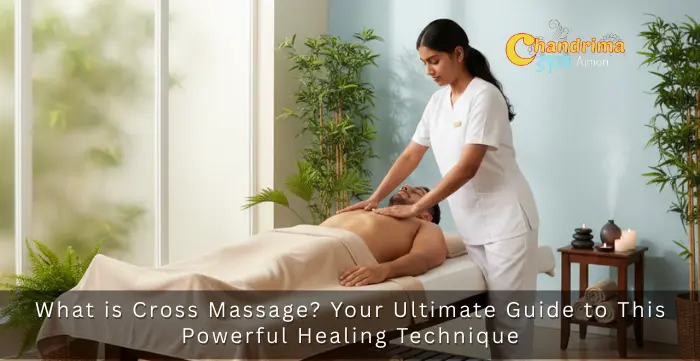
Regular massage (think Swedish, relaxation, or Thai massage in Ajman) works with your muscle fibers long, gliding strokes that follow the grain. The primary goals are relaxation, stress relief, improved circulation, and general well-being. You walk in tense, you walk out relaxed. Beautiful, but different.
Cross-fiber massage works against the grain perpendicular strokes that deliberately create friction. The primary goals are therapeutic and rehabilitative: breaking down scar tissue, realigning fibers, and treating specific injuries. You walk in injured, you walk out on the path to genuine healing.
Here’s a simple comparison:
Direction of Strokes:
• Regular: Along the muscle fibers
• Cross Fiber: Across the muscle fibers
Pressure:
• Regular: Light to moderate, adjustable for comfort
• Cross Fiber: Firm and sustained, therapeutic intensity
Duration per Area:
• Regular: Moves across large body areas
• Cross Fiber: Concentrated on specific injury sites (10-20 minutes per spot)
Primary Purpose:
• Regular: Relaxation, stress relief, general wellness
• Cross Fiber: Injury treatment, scar tissue breakdown, rehabilitation
Ideal For:
• Regular: Everyone seeking relaxation
• Cross Fiber: People with specific injuries or chronic pain conditions
Think of it like this: a luxury spa experience with aromatherapy and soft music is wonderful for your mind and spirit. Cross massage is wonderful for your body’s structural integrity. Both have their place; they just serve different masters.
Is Cross Massage Painful? Let’s Be Honest
Okay, real talk time. I’m not going to sugarcoat this cross massage can be uncomfortable. But here’s the thing: there’s a huge difference between therapeutic discomfort and actual pain.
During a cross massage session, you’ll likely feel:
• Pressure and intensity at the treatment site
• A deep, “good hurt” sensation (that weird feeling where it hurts but you know it’s helping)
• Temporary tenderness that subsides shortly after treatment
• Possible mild soreness the next day, similar to after a workout
What you should NOT feel:
• Sharp, shooting pain
• Unbearable discomfort that makes you tense up
• Pain that persists for days after treatment
• Numbness or tingling
A skilled therapist at a reputable massage center will constantly check in with you, adjusting pressure based on your feedback. The goal is to work at the edge of discomfort deep enough to be effective but not so intense that you’re climbing off the table.
What Injuries is Cross Massage Used For?
Cross massage isn’t a one-size-fits-all solution, but it’s remarkably effective for a specific range of conditions. Let me walk you through the injuries and conditions where this technique really shines:
Tendon Injuries (Tendinitis/Tendinopathy):
• Tennis Elbow (Lateral Epicondylitis): That nagging outer elbow pain
• Golfer’s Elbow (Medial Epicondylitis): The inner elbow counterpart
• Achilles Tendinitis: Pain at the back of your heel
• Patellar Tendinitis: “Jumper’s knee” that athletes know well
• Rotator Cuff Tendinitis: Shoulder pain limiting overhead movements
Chronic Conditions:
• Plantar Fasciitis: That stabbing heel pain when you first stand up
• IT Band Syndrome: Runner’s nightmare along the outer thigh
• Carpal Tunnel Syndrome: Often helped with other treatments
• Frozen Shoulder: When integrated into comprehensive treatment
Many people seeking a Sharjah massage center or Sharjah spa are actually dealing with these specific injuries and would benefit enormously from cross therapy.
Frequently Asked Questions
What is cross massage, and how does it work?
Cross massage, also called cross massage, is a deep tissue technique where therapists apply pressure perpendicular to muscle fibers rather than along them. At Chameli Spa Ajman, trained therapists use this method to break down scar tissue and adhesions, promoting proper healing by reorganizing collagen fibers in injured tissues.
What is the cross massage technique used for?
The cross massage technique specifically targets soft tissue injuries like tendonitis, muscle strains, and ligament sprains. Chameli Spa Ajman therapists apply sustained, perpendicular to injury sites for 10-20 minutes, creating controlled micro-trauma that stimulates your body’s natural healing response and tissue reorganization.
What are the benefits of cross massage?
Cross massage offers multiple benefits, including pain reduction, improved range of motion, faster healing, and prevention of chronic issues. When you receive this treatment at Chameli Spa Ajman, you’re addressing injury sources rather than just symptoms, leading to lasting relief from conditions like tennis elbow, plantar fasciitis, and chronic muscle strains.
How does cross-fiber massage differ from regular massage?
While regular massage works along muscle fibers for relaxation, cross-fiber massage works perpendicular to fibers for rehabilitation. At Chameli Spa Ajman, therapists know when to use each approach, offering relaxing Thai or Kerala massage when you need stress relief, and therapeutic cross when you’re dealing with specific injuries requiring targeted treatment.
Is a cross massage painful?
Cross massage can feel intense, but shouldn’t be unbearable. You’ll experience therapeutic discomfort that “good hurt” sensation rather than sharp pain. The skilled therapists at Chameli Spa Ajman constantly adjust pressure based on your feedback, working at the edge of discomfort where treatment is effective without causing actual pain or tissue damage.
What injuries is cross massage used for?
Cross massage effectively treats tendonitis (tennis elbow, Achilles tendinitis), ligament sprains, muscle strains, plantar fasciitis, frozen shoulder, and chronic scar tissue from old injuries. At Chameli Spa Ajman, therapists assess your specific condition to determine if cross therapy is appropriate and create a customized treatment plan for your recovery.
Conclusion: Your Path to Healing Starts Here
Look, I get it. When you’re dealing with chronic pain or a nagging injury that just won’t heal, you try everything. Heating pads, ice packs, over-the-counter medications, and generic massages. Sometimes, you feel like you’re just throwing solutions at the wall, hoping something sticks.
Cross massage isn’t magic. It’s not going to cure everything overnight. But it is a scientifically-grounded, therapeutically proven technique that addresses the root causes of many soft tissue injuries. By breaking down adhesions, realigning collagen fibers, and promoting proper healing, cross massage gives your body the reset it needs to actually heal rather than just manage symptoms.
Whether you’re dealing with a recent injury or chronic pain that’s plagued you for years, whether you need early morning treatment or late-night relief, having access to qualified therapists who understand both the science and art of cross massage makes all the difference.
Your body is incredibly resilient and capable of healing; sometimes it just needs the right intervention at the right time. Cross massage might be exactly that intervention you’ve been searching for. Ready to experience the transformative power of expert cross massage? Contact Chameli Spa Ajman today to schedule your assessment and begin your journey toward genuine, lasting relief. Your body has been asking for help it’s time to answer with the targeted, therapeutic care it deserves.
